Amazon ditched its big fall showcase for smaller October launches. Panos Panay explains why, and unveils five new Echo devices plus Alexa's upgraded AI brain.
A New Playbook for Amazon's Hardware Launches
Amazon has long been known for sprawling fall hardware events that cram dozens of announcements into a single presentation. This year, the company changed course. Instead of one large showcase, Amazon spread its announcements across October, unveiling new Fire TV devices, new Kindles, the Alexa Tablet Pro 12, Ring's first smart lock, new hardware from AI-wearable startup Bee, and new Blink 4K cameras before hosting journalists at a small event in New York City's financial district to showcase its new Echo hardware.
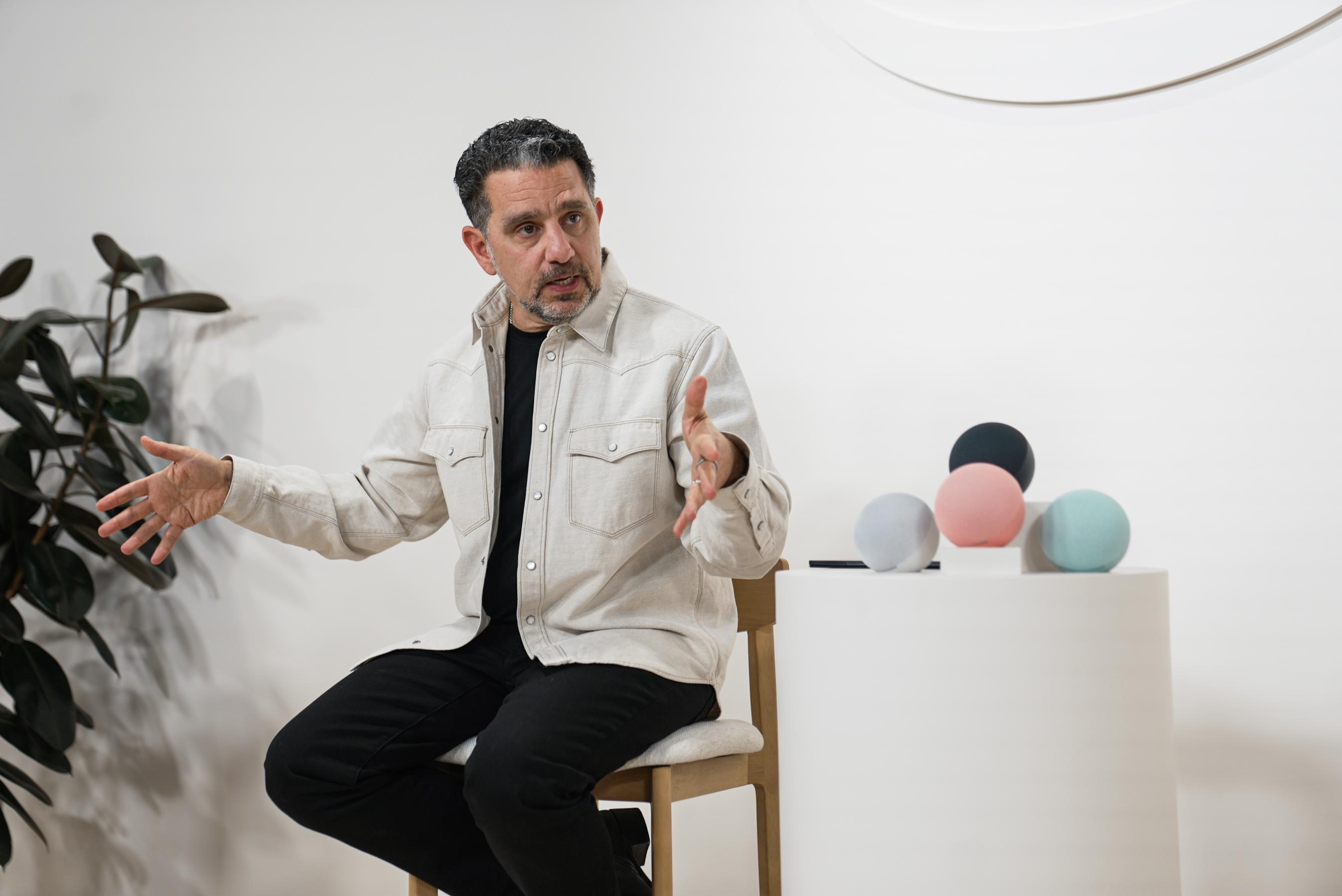
Panos Panay, senior vice president of devices, Alexa, and Leo at Amazon, opened the event by explaining the strategy. "We have so many products we're launching that are meaningful," he said. "However, we get to this point when we do everything at once; not all your children get enough attention." The longer rollout, he argued, allows each product to receive more focus. He also teased two more launches still to come — from Ring and some "Echo on the Go" news — before turning to the day's theme: "the most important focus we have, which is the home."
Five New Echo Devices, One Home-First Vision
Over roughly 45 minutes, Panay introduced five new Echo smart speakers and displays — the Echo Show 16, Echo Time, Alexa Photo Frame, Echo Studio with Home Camera, and a new Echo Dot — each displayed on plinths in a warehouse-like space. The presentation emphasized how these devices fit into the home rather than treating them as isolated gadgets.
Panay demoed several new software features for the Echo Show smart displays, which will debut on the Show 16 and later trickle down to existing Show products. These include dedicated home screens, an interactive 3D map view for smart home control, and a meal planning feature. The features reflect Amazon's effort to make the smart display a central hub for household management, not just a voice assistant with a screen.
Alexa Plus Gets a 'New Brain'
The most significant software announcement was that Amazon has "opened up Alexa Plus' brain a little bit more," unlocking a new layer of understanding in the generative-AI-powered assistant. Panay noted that AI in the home is still relatively new; while it is everywhere else, from computers to phones, the home has been harder to unlock.
Amazon aims to change that with Alexa's "new brain" — an updated version of Alexa Plus with new capabilities, including the ability to perform "deeper research" alongside its usual tasks such as controlling lights, setting timers, and playing music. To manage these deeper conversations, a new "Card" interface on Show devices collects each chat. Cards also appear in the Alexa app and on Alexa.com, so users can continue conversations with the assistant wherever they are.
"We have so many products we're launching that are meaningful. However, we get to this point when we do everything at once; not all your children get enough attention." — Panos Panay
Hands-On in Rooms Designed to Feel Like Home
After the main presentation, the event continued in a selection of small rooms designed to feel like home spaces, where product engineers and designers demonstrated the new devices and explained their features. The setup underscored Amazon's home-first messaging and gave journalists a chance to see the products in context rather than on a stage.
The shift to smaller, staggered launches may signal a broader change in how Amazon approaches hardware. By giving each device its own moment, the company can better explain the value of products that might otherwise be lost in a crowded keynote — especially as it pushes deeper into generative AI and the smart home.