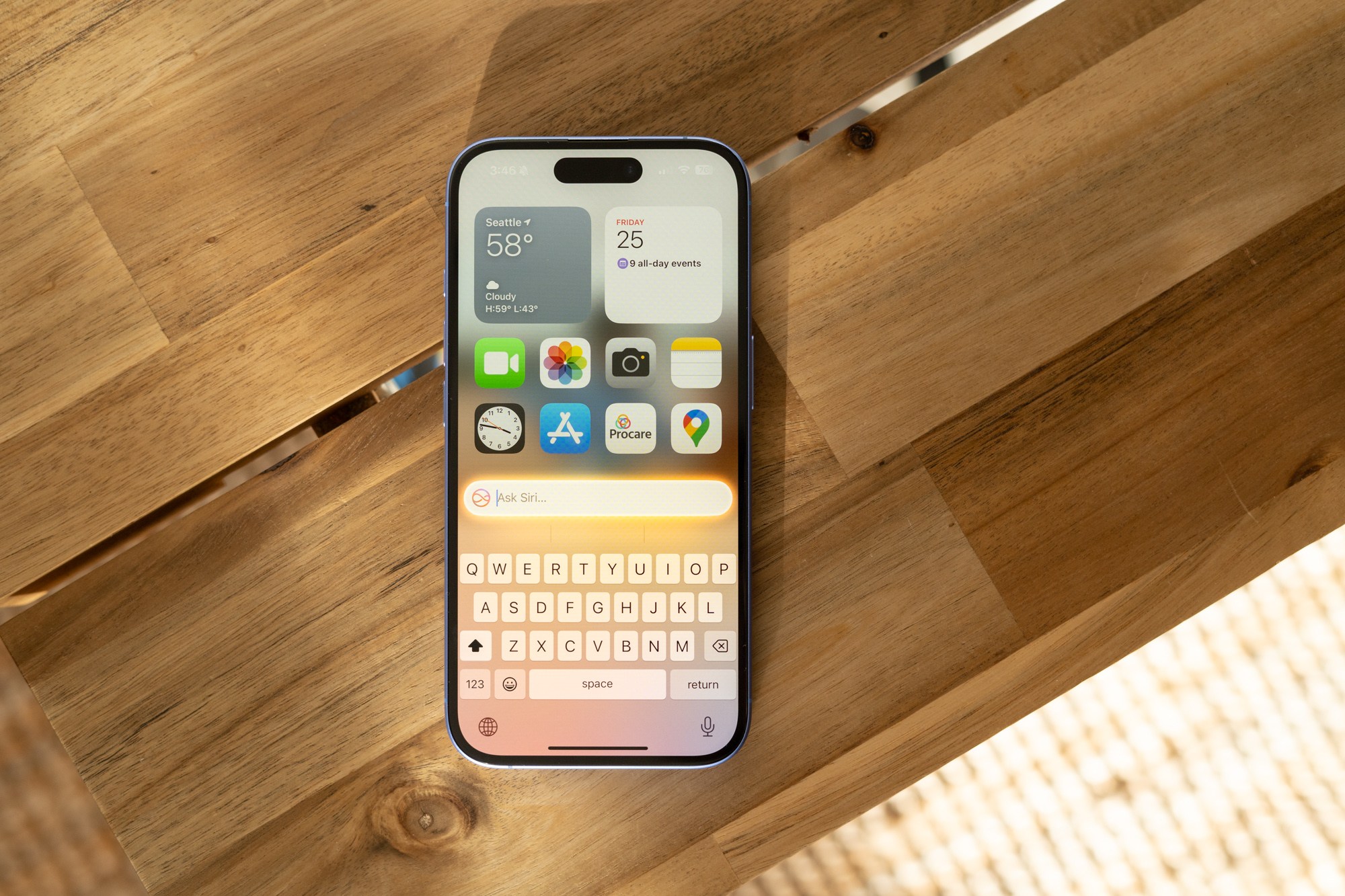
Apple Intelligence debuts in China with iOS 27.3 beta on November 4th, featuring notification summaries, real-time translation, and Alibaba's Qwen chatbot integration.
Apple Intelligence Makes Its Long-Awaited Debut in China
Apple has officially announced that Apple Intelligence, its suite of artificial intelligence features, will finally be available to users in China starting with iOS 27.3. The company revealed the news on its Chinese newsroom website, marking a significant milestone after months of regulatory navigation. The rollout will begin with a beta version on November 4th, followed by a full public release in December. This launch, however, comes with a notable caveat: the new Siri AI, which has been a centerpiece of Apple's AI strategy elsewhere, will not be part of this initial Chinese deployment.
The delay in bringing Apple Intelligence to China stems from the country's stringent regulations around AI and data security. Apple received approval for its AI tools in China back in July, signaling that the launch was imminent. To comply with local laws, Apple trained its own large language model (LLM) specifically for the Chinese market, as reported by Reuters in August. This bespoke approach ensures that the AI features operate within the legal framework while still delivering a useful experience to Chinese users.
What Features Are Included?
While the new Siri AI is absent, the iOS 27.3 update will bring several of Apple's earlier Apple Intelligence features to Chinese users. These include:
- Notification summaries: Automatically generated summaries of incoming notifications to help users quickly grasp the gist without opening each app.
- Real-time translation: On-the-fly translation of text and speech, useful for conversations and content consumption.
- Rewriting and proofreading tools: AI-powered assistance to refine and correct text across apps.
- Visual intelligence: Enhanced image recognition capabilities that can identify objects, text, and more within photos.
- Object removal from photos: A feature that allows users to erase unwanted elements from images seamlessly.
These features represent the foundational layer of Apple Intelligence, focusing on productivity and everyday usability rather than the more advanced conversational capabilities of the new Siri.
Alibaba's Qwen Chatbot Integration
In a move that mirrors its global partnership with OpenAI's ChatGPT, Apple has teamed up with Alibaba to integrate its Qwen chatbot into some experiences within iOS. This collaboration is reminiscent of the ChatGPT integration that launched in 2024, where users could access ChatGPT directly through Siri and other system features. The Qwen integration will likely provide Chinese users with a localized AI assistant that understands cultural and linguistic nuances better than a generic model.
"Apple also says it has worked with Alibaba to add support for its Qwen chatbot in some experiences, which sounds similar to iOS's integration with OpenAI's ChatGPT that launched in 2024."
This partnership is strategic: Alibaba's Qwen is one of China's leading LLMs, and its integration ensures that Apple can offer a competitive AI experience without running afoul of local regulations. It also highlights Apple's willingness to adapt its global strategy to local markets, a necessity in a country as vast and complex as China.
The Road Ahead
The launch of Apple Intelligence in China is a critical step for Apple, which has faced increasing competition from domestic smartphone makers like Huawei and Xiaomi, many of whom have already integrated advanced AI features into their devices. By bringing its AI suite to China, Apple aims to retain its premium market share and demonstrate that it can deliver cutting-edge technology tailored to local needs.
However, the absence of the new Siri AI raises questions about when and how Apple will introduce more advanced AI capabilities in China. The company has not provided a timeline for Siri AI's Chinese debut, but it's likely that further regulatory approvals and technical adjustments will be required. For now, Chinese users will have to settle for the foundational features, which are still a significant upgrade over the previous lack of AI integration.
As the beta rolls out on November 4th, developers and early adopters in China will get their first hands-on experience with Apple Intelligence. The full release in December will be the true test of whether Apple's localized AI strategy resonates with Chinese consumers. With the Qwen integration and a suite of practical features, Apple is making a strong opening move in one of the world's most competitive AI markets.