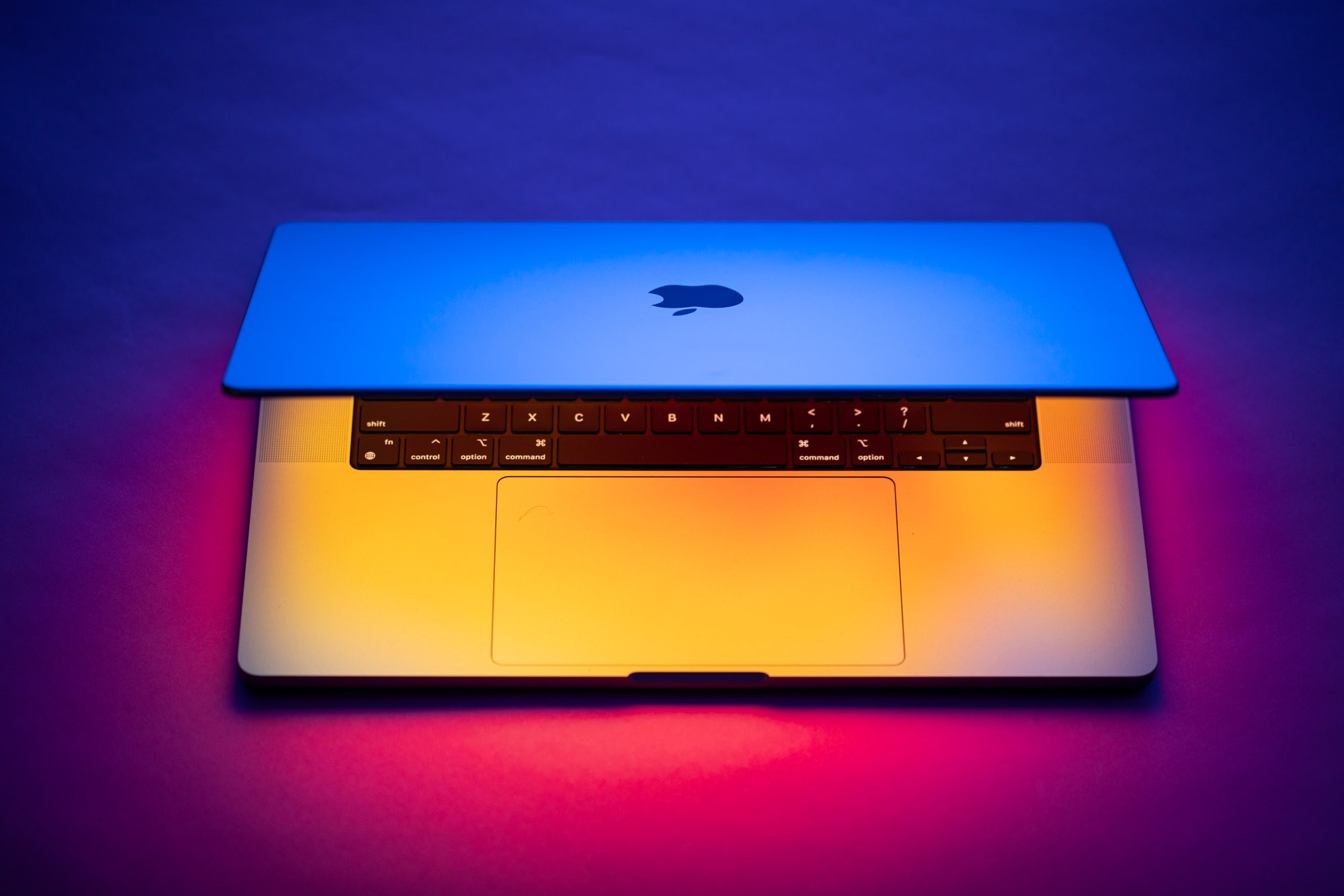
Apple is expected to announce a touchscreen MacBook Pro with OLED display and M5 chips, reversing its long-standing opposition. We analyze the rumors and challenges.
A Reversal of Apple's Long-Standing Stance
For years, Apple executives have publicly dismissed the idea of touchscreen laptops. Steve Jobs famously called them 'ergonomically terrible' in 2010, and Tim Cook compared the concept to merging a fridge and a toaster in 2012. Yet, rumors now suggest Apple is poised to reverse course and announce a touchscreen MacBook at its 'Pro and Tell' event. This would be a significant shift for a company that has long resisted adding touch to its Mac lineup.
The closest Apple came was the MacBook Pro Touch Bar, which replaced function keys with a dynamic touch strip from 2016 to 2023. While innovative, it never fully delivered on its promise, often criticized for its lack of tactile feedback and non-deterministic interface. A full touchscreen, however, offers a more established and intuitive way to interact with content, whether through occasional taps or extended stylus use.
What to Expect: OLED Display and M5 Chips
According to rumors, the touchscreen MacBook Pro will feature a new OLED display, bringing deeper blacks and more vivid colors. This upgrade, while welcome, is likely to increase the already high price of the MacBook Pro line. The device is expected to use the current M5 Pro and M5 Max chips and come in 14- and 16-inch sizes, mirroring the existing lineup. With the 14-inch MacBook Pro with M5 Pro already starting at $2,499, adding an OLED touch panel could push prices even higher.
Additionally, the screen is speculated to adopt a Dynamic Island cutout for the webcam instead of the notch. While the notch has been a topic of debate, the Dynamic Island could offer a more polished look and potentially enable touch-based multitasking features, similar to the iPhone. For instance, timers and music apps could tuck information into the island, providing quick access without disrupting the main workspace.
Design Trade-offs: Thinner and Lighter?
Another rumor suggests the touchscreen MacBook Pro will have a thinner and lighter chassis. This raises concerns about performance compromises, as Apple's pursuit of thinness in the past led to issues like worse thermals and the infamous butterfly keyboard. The MacBook Pros got thicker and heavier with the M1 Pro/Max generation to accommodate better cooling and battery life. A return to thinner designs could risk repeating past mistakes. Can Apple achieve a slimmer form factor without sacrificing raw performance, battery life, or overall quality? This is a critical question for professional users who rely on their MacBooks for demanding tasks.
Touchscreen Implementation and Hinge Design
How Apple implements the touchscreen remains unclear. Will it stick to a conventional clamshell design, or will it introduce a more flexible hinge to enable new usage modes? Competitors like Lenovo's Yoga line offer 2-in-1 convertibles with hinges that fold 360 degrees and include stylus support. Such designs allow users to comfortably use the touchscreen in various positions, from laptop mode to tablet mode. While it would be exciting to see Apple innovate in this space, it's also possible the first touchscreen MacBook will maintain a standard clamshell design, focusing on touch as an supplementary input method rather than a full transformation.
Conclusion
Apple's potential entry into the touchscreen laptop market is a significant development. The company's track record of refining existing technologies could lead to a polished and integrated experience. However, challenges remain, particularly around pricing, design trade-offs, and the overall value proposition. As the 'Pro and Tell' event approaches, the tech world watches to see if Apple can indeed make touchscreen laptops better, or if this will be another controversial experiment.