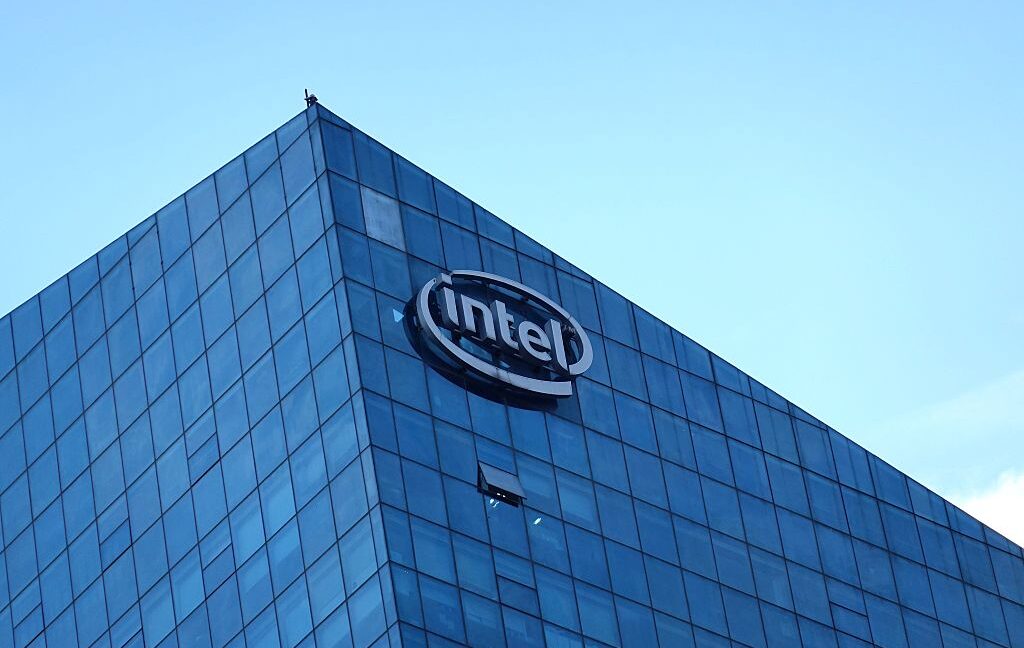
Intel shareholders sue the company, CEO Lip-Bu Tan, and CFO David Zinsner for misleading statements about the PC sales slump that led to a 28.6% stock drop.
Lawsuit Alleges Misleading Statements
Intel Corporation is being sued by shareholders in a class-action lawsuit filed on Friday in the federal court in San Jose, California. The lawsuit, which seeks class-action certification, lists the City of Southfield Fire and Police Retirement System and “all others similarly situated” as plaintiffs. The defendants include Intel, CEO Lip-Bu Tan, and EVP and CFO David Zinsner.
The plaintiffs accuse Intel of making “materially false and misleading statements and omissions” between July 23 and October 29, a period during which the company allegedly failed to disclose the true impact of the PC sales slump. The lawsuit seeks unspecified compensatory damages, plus legal and other associated fees, on behalf of shareholders who held Intel stock during that time frame.
Stock Plummets 28.6% in One Day
The lawsuit follows a dramatic 28.6% drop in Intel's stock price on October 30, a decline that wiped out billions in market value. The plunge came after the company reported disappointing earnings and provided weak guidance, citing a slowdown in PC sales and broader economic uncertainty.
Shareholders allege that Intel executives knew about the severity of the PC sales slump but failed to adequately warn investors, thereby inflating the stock price artificially. The lawsuit claims that when the true extent of the downturn became apparent, the stock price fell sharply, causing significant losses for investors.
Background: PC Sales Slump and Intel's Challenges
The PC market has been under pressure for several quarters, with global shipments declining due to a combination of factors including inflation, rising interest rates, and a post-pandemic slowdown in consumer demand. Intel, as a leading supplier of PC processors, has been particularly vulnerable to these trends.
In recent months, Intel has taken steps to cut costs and streamline operations, including layoffs and reductions in capital expenditures. However, the company's financial performance has continued to deteriorate, leading to concerns about its ability to compete effectively in an increasingly challenging market.
Legal and Financial Implications
This lawsuit adds to Intel's growing list of challenges. The company is already facing intense competition from rivals such as AMD and NVIDIA, as well as geopolitical tensions affecting the semiconductor supply chain. The legal battle could further strain Intel's resources and distract management from executing its turnaround strategy.
Class-action lawsuits of this nature often take years to resolve and can result in substantial settlements. For Intel, the lawsuit represents another reputational risk and a potential financial liability at a time when the company can ill afford further setbacks.
What's Next for Intel?
Intel has not yet publicly responded to the lawsuit. The company is expected to defend itself vigorously against the allegations. Meanwhile, shareholders will be watching closely to see how Intel addresses the underlying issues in its business and whether it can restore investor confidence.
The lawsuit serves as a reminder of the high stakes involved in corporate disclosure and the importance of transparency in communications with investors. As the case progresses, it will be closely monitored by legal experts and market analysts alike.