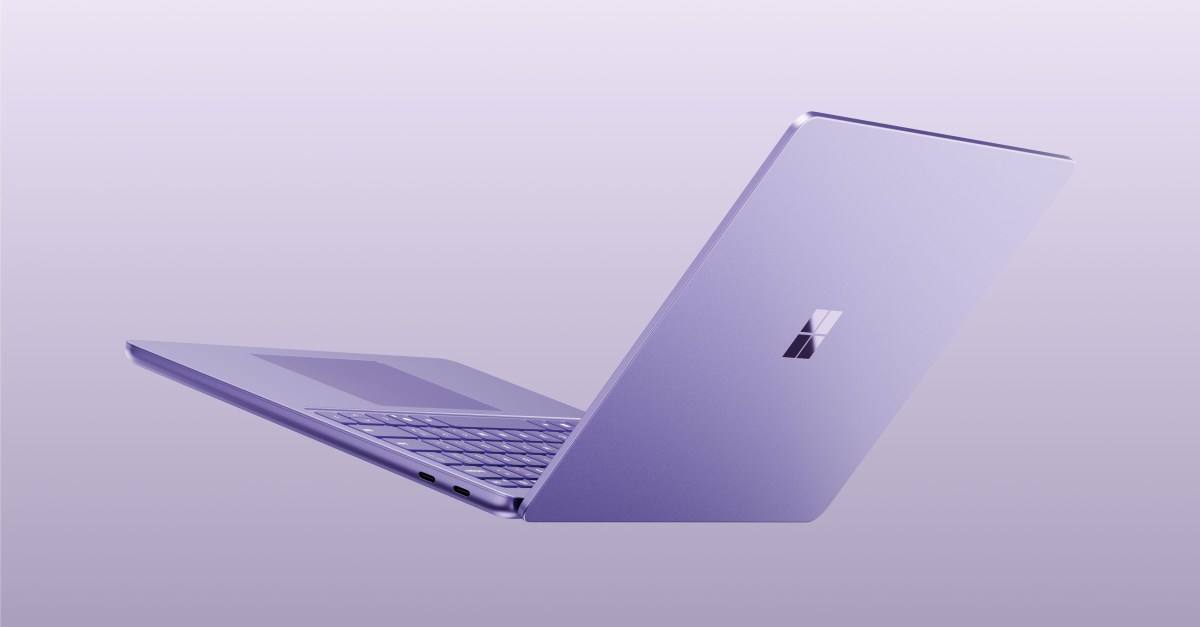
Microsoft refreshes the 12-inch Surface Pro and 13-inch Surface Laptop with Qualcomm's Snapdragon X2 Plus. Same design, faster chips, higher prices.
Same Surface, new silicon
Microsoft's most compact Surface devices — the 12-inch Surface Pro tablet and the 13-inch Surface Laptop — are getting a mid-cycle refresh built around Qualcomm's Snapdragon X2 Plus. There is no redesign here: the industrial design and the hardware feature set stay exactly as they were when these two machines launched last year.
All the change sits under the hood. Snapdragon X2 Plus is the newest entry in Qualcomm's Arm-based PC lineup, and Microsoft is positioning it as the faster, more capable option for buyers who want a small form factor without settling for entry-level silicon.
What carries over
- The same design as the previous generation of both devices
- The same hardware features introduced last year
- Both the 12-inch Surface Pro and the 13-inch Surface Laptop form factors
What actually changes
- Snapdragon X2 Plus inside, replacing the previous-generation chip
- Higher performance than the models they replace
- Higher starting prices across the board
Surface Pro 12-inch    -> Qualcomm Snapdragon X2 Plus

Surface Laptop 13-inch -> Qualcomm Snapdragon X2 Plus


New:        silicon, performance, price

Unchanged:  design, hardware features
The price problem: «RAMageddon» reaches the Surface line
The refresh isn't only about speed. Both devices arrive with higher price tags than their predecessors. The 12-inch Surface Pro started at $799.99 when it launched last year, and the Snapdragon X2 Plus version starts above that mark.
The driver is memory pricing. A sustained surge in RAM and DRAM costs — the industry phenomenon now widely nicknamed «RAMageddon» — has inflated component bills across the entire PC business, and Microsoft is passing at least part of that increase on to customers.
For a device line whose entire appeal is a lower entry price, a memory-cost crunch lands especially hard — and it shows up the moment you look at the starting configuration.
Why Snapdragon X2 Plus matters
Microsoft's Surface family has long served as the showcase for Windows on Arm, and the smaller Surface Pro and Laptop are the volume models that put Arm-based Windows in front of mainstream buyers rather than enthusiasts. Refreshing them with Qualcomm's newest chip keeps the lineup current without forcing a hardware redesign cycle.
That combination — new silicon on an old chassis — is a familiar pattern in the PC industry when a platform vendor ships a new generation of processors mid-cycle. It lets Microsoft advertise more performance and better efficiency while avoiding the cost and engineering effort of a full redesign.
What it means for buyers
- If you already own last year's 12-inch Surface Pro or 13-inch Surface Laptop: there is no design or feature reason to upgrade. The only argument is chip performance.
- If you're buying new: expect to pay more than you would have a year ago for the same class of device, with the increase rooted in memory costs rather than the silicon itself.
- If you're watching the Windows on Arm ecosystem: the Snapdragon X2 Plus landing in Microsoft's own smaller Surfaces is a signal that Qualcomm's newest generation is moving into the mainstream tier, not just premium flagships.
Bottom line
The 12-inch Surface Pro and 13-inch Surface Laptop have been updated exactly the way the current market dictates: faster chips, identical shells, higher prices. The refresh is real, but the headline for most buyers is the number on the price tag — and the memory market that put it there.