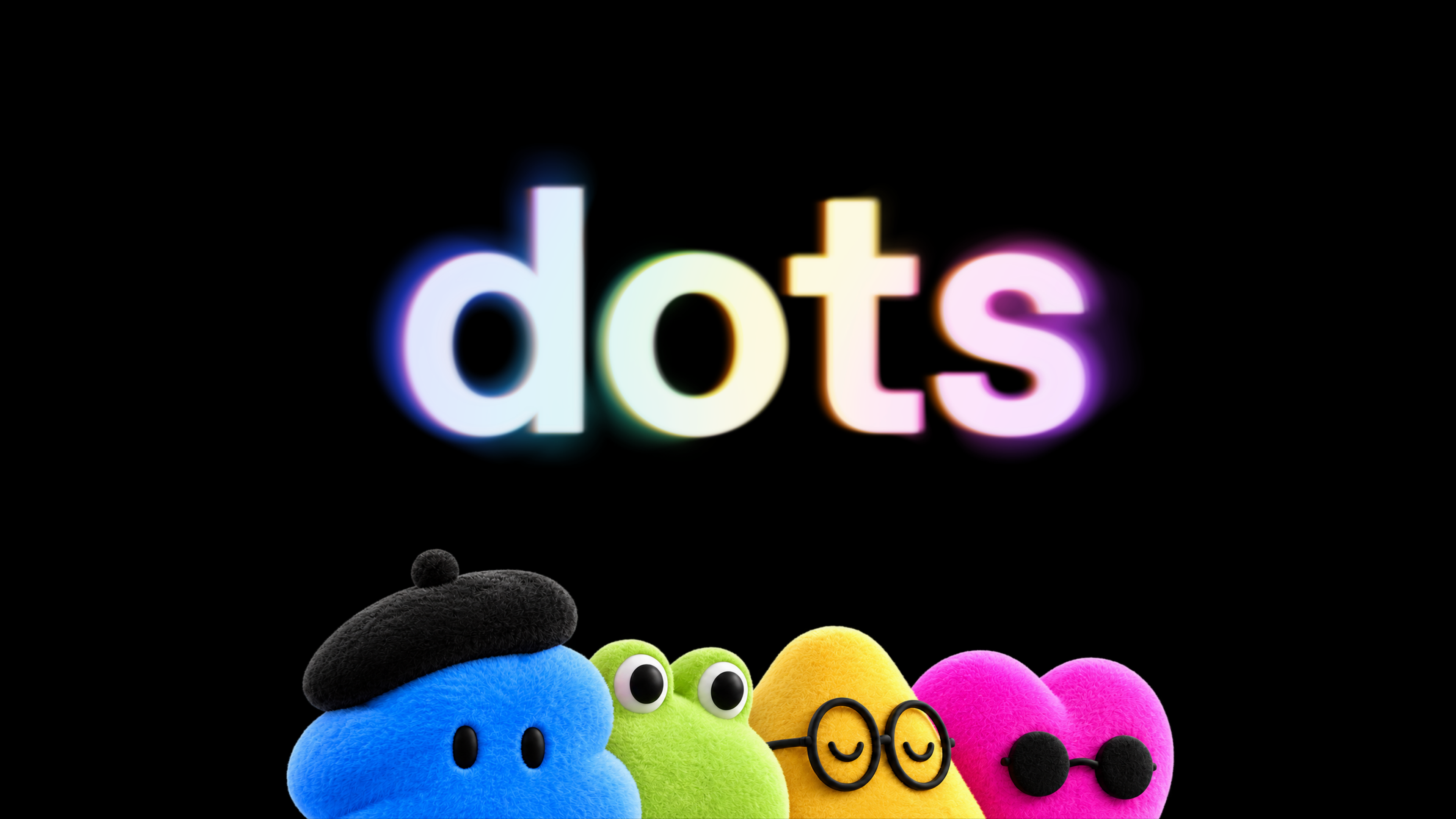
OpenAI's DevDay 2026 debut of Dots introduces always-on AI assistants powered by GPT-6 Astra, with cloud computers, 4,000+ apps, and auto-review safety.
OpenAI Answers Meta's Muse With Persistent Agents
OpenAI is responding to Meta's buzzy Muse AI with agentic helpers of its own: Dots. Announced during the company's DevDay keynote on Tuesday, Dots are positioned as always-on AI assistants that can "do nearly anything" across connected apps in the background while learning your preferences over time. The framing is deliberately ambitious, and it lands in a market where rival assistants have already conditioned users to expect an agent that keeps working after the chat window closes.
The pitch is a shift away from the request-response pattern that has defined chat assistants since 2022. Instead of opening an app and prompting, users hand a task to a persistent agent that reports back with updates and questions while it works. That model demands infrastructure most assistants do not have: a durable execution environment, long-lived memory, and a permission layer that decides when autonomy is acceptable and when a human must confirm.
The Architecture Behind Dots
The company's capable GPT-6 Astra model powers Dots, which use their own cloud computer to access a web browser and more than 4,000 supported apps. Interaction happens through a text-message-like interface similar to the one offered by Muse, and users can also hop on a voice call with a Dot from ChatGPT on the web, desktop, or mobile. Dots additionally connect to Microsoft Teams and Slack, where they carry over the context from your sessions on other apps and devices. Text-message support is coming soon.
Key capabilities announced at DevDay include:
- A dedicated cloud computer per Dot, complete with browser access
- Connections to over 4,000 supported apps
- Text-message-like chat plus voice calls from ChatGPT on web, desktop, and mobile
- Context carryover between Microsoft Teams, Slack, and other devices
- Continuous learning that personalizes output over time
What a Dot Actually Does
For now, users can only create one Dot, though OpenAI plans to allow multiple agents deployed at once. Once you give your Dot a task, it messages you with updates and questions while it works. OpenAI offers two illustrative scenarios. A developer working on an app could ask their Dot to use customer feedback to build and test updates, while presenting them with a video showing its changes. A content creator, meanwhile, could have their Dot review an interview transcript, find moments to clip, create show notes, and write social posts.
Progress is transparent by design: you can follow along by accessing your Dot's cloud computer. Dots also learn while they work, allowing them to personalize output and surface other tasks to complete "before you even think to ask," according to OpenAI. You and your colleagues can also work with your Dot inside ChatGPT Space, a new collaborative workspace in the app.
Competitive Pressure and the Safety Question
The launch lands just weeks after Meta rolled out Muse, a customizable AI assistant capable of browsing the web, making purchases, generating documents, tracking goals, and more. Even as Muse soars in popularity, concerns over its safety are mounting, with one user reporting that it handed out their address to a buyer on Facebook Marketplace without their knowledge. That incident has become the reference point for every vendor shipping an autonomous agent.
OpenAI says Dots come with "built-in rules for when to act independently," but users can set custom ones that block certain actions or dictate when a Dot should ask for permission. An "auto-review" feature lets Dots verify whether an action complies with custom rules and safety requirements, and it also helps them determine which tasks to hand off to users, such as changing a password. In practice, that handoff logic is the difference between a useful agent and a liability.
Availability, Limits, and What Comes Next
Starting today, OpenAI is rolling out Dots to ChatGPT Pro, Business Premium, and Enterprise users. The company is also testing a feature that lets organizations create "specialist" Dots to handle specific roles inside a company. Notably, conversations with your Dot will not count toward ChatGPT usage limits.
"In the future, you'll be able to add more dots, and scale the output of each dot by either increasing its speed or the total amount of work it can take on per month."
That line points to the business model taking shape around agentic assistants: not seats, but capacity. If Dots eventually scale by speed or monthly workload, OpenAI would be selling compute-bound autonomy rather than message volume, a pricing structure that mirrors how enterprises already buy cloud infrastructure. For now, the immediate test is whether a single Dot per user can deliver enough reliability to justify handing over real work.