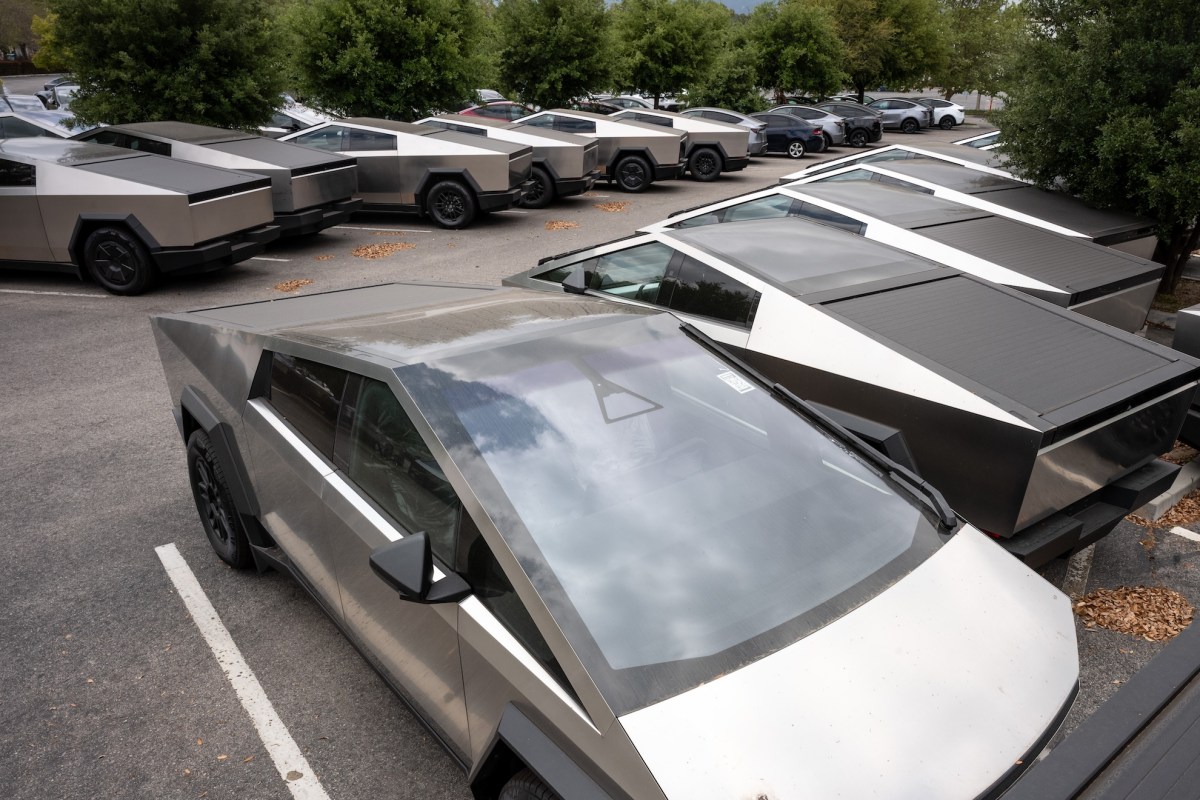
Tesla will end Cybertruck production in eight months and refund some deposits, as Musk prioritizes Cybercab robotaxi manufacturing over the polarizing truck.
Musk Defends Decision to Halt Cybertruck Production
Tesla CEO Elon Musk is defending the company's decision to stop producing the Cybertruck, the polarizing steel-clad electric truck that debuted to much fanfare but ultimately fell short of lofty sales expectations. In a post on X (formerly Twitter) on Monday, Musk confirmed that Tesla will shut down Cybertruck production in approximately eight months and will attempt to manufacture as many vehicles as possible before then. However, he acknowledged that Tesla will "have to return deposits for a lot of people."
Musk argued that the Cybertruck was not unprofitable, but that the company is ending production because the "opportunity cost of the complexity of Cybertruck is vastly outweighed by the value of incremental Cybercab production." In other words, Musk believes Tesla can generate more revenue by repurposing the factory space and resources currently dedicated to the Cybertruck for building Cybercab robotaxis. Last week, Musk revealed plans to use the Cybertruck's production lines to manufacture more two-seater Cybercabs, the autonomous vehicles intended for Tesla's robotaxi network.
From Hype to Reality: Cybertruck's Troubled Sales Trajectory
When the first Cybertrucks were delivered to customers in late 2023, the vehicle appeared poised to become a breakthrough hit for Tesla. Reservations had ballooned to 1 million, according to Musk, who also predicted annual sales of around 250,000 trucks. However, those reservations never translated into actual purchases. Tesla does not break out Cybertruck sales figures, but industry experts estimate that only about 71,000 Cybertrucks have been sold since deliveries began in November 2023—a fraction of the original target.
Many of those sales came from within Musk's ecosystem of other businesses. For instance, SpaceX (now known as SpaceXSI), which Musk also leads and is the largest shareholder of, purchased $131 million worth of Cybertrucks from Tesla in 2025, according to the company's S-1 registration statement ahead of its IPO. Another Musk company, xAI, also bought $430 million worth of Tesla Megapacks for its data centers before it merged with SpaceX. These intra-company transactions raise questions about the true organic demand for the Cybertruck.
Cybercab Takes Priority: A Strategic Shift
Musk's decision to end Cybertruck production underscores a broader strategic pivot toward autonomy and robotaxis. The Cybercab, a two-seater vehicle without a steering wheel or pedals, is central to Tesla's vision of a future where autonomous ride-hailing generates significant revenue. By reallocating factory space from the Cybertruck to the Cybercab, Tesla aims to accelerate production of the robotaxi, which Musk has touted as a potential trillion-dollar opportunity.
However, the move also highlights the challenges Tesla faces in the highly competitive electric truck market. The Cybertruck's unconventional design and high price point limited its appeal beyond a niche audience, and production delays and quality issues further hampered its rollout. As Tesla shifts focus, it leaves behind a vehicle that was once hyped as a game-changer but ultimately became a symbol of overpromising and underdelivering.
Deposit Refunds and the Road Ahead
For customers who placed early reservations and have been waiting for their Cybertruck, Musk's announcement means many will receive refunds instead of vehicles. Tesla will produce as many Cybertrucks as possible in the next eight months, but the limited run will not satisfy all existing orders. This could lead to frustration among reservation holders, some of whom have waited years for the truck.
Looking forward, Tesla's success will depend on its ability to execute on the Cybercab and robotaxi front. The company faces regulatory hurdles, technical challenges, and competition from established players like Waymo and Cruise. Musk's bet on autonomy is bold, but it remains to be seen whether Tesla can deliver on its promises this time.
"The opportunity cost of the complexity of Cybertruck is vastly outweighed by the value of incremental Cybercab production." — Elon Musk
Key Takeaways
- Tesla will end Cybertruck production in about eight months and refund some deposits.
- Musk cites opportunity cost: Cybercab production is more valuable.
- Cybertruck sales have totaled only ~71,000 units since late 2023, far below initial projections of 250,000 annually.
- SpaceX and xAI purchased Cybertrucks and Megapacks, raising questions about organic demand.
- Tesla pivots to Cybercab robotaxi production, aiming to capture the autonomous ride-hailing market.