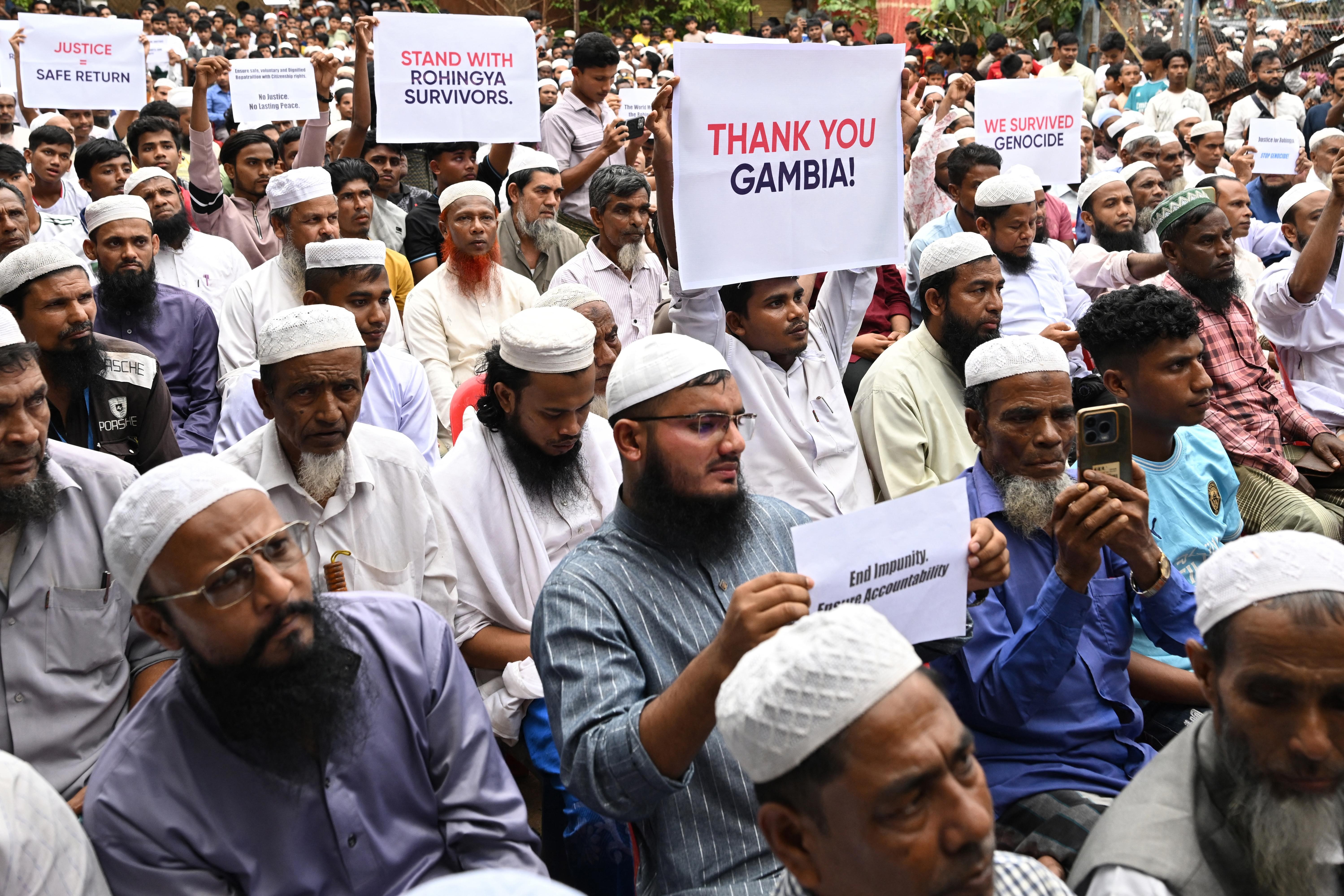
The International Court of Justice finds Myanmar guilty of genocide against Rohingya, citing military Facebook posts that dehumanized and incited violence.
UN Court Finds Myanmar Guilty of Genocide
In a landmark ruling, the United Nations' top court, the International Court of Justice (ICJ), has determined that Myanmar committed state-sponsored genocide against the Rohingya Muslim minority in 2016 and 2017. The court specifically highlighted the role of Facebook in facilitating the spread of hate speech against the Rohingya, stating that posts by the Myanmar military "dehumanized" the Muslim minority "and at times encouraged and legitimized violence against them."
The case was brought to the ICJ by The Gambia in 2019, accusing Myanmar of violating the Genocide Convention through violent "clearance operations" targeting the Rohingya. The court's decision underscores the devastating impact of social media when used as a tool for propaganda and incitement.
Facebook's Role in Amplifying Hate Speech
At the time of the attacks, Facebook was the most popular platform in Myanmar, and a 2022 report from Amnesty International found that the platform "proactively amplified and promoted content on the Facebook platform which incited violence, hatred, and discrimination against the Rohingya." Despite warnings from human rights activists, Facebook failed to curb the spread of hateful content, according to Amnesty.
The UN's ruling backs these findings, citing a report from the Independent Investigative Mechanism for Myanmar (IIMM). The IIMM reported that a military post ahead of the August 25, 2017 massacres "unleashed a torrent of public vitriol," with over 200 comments calling for Rohingya people "to be shot, killed, exterminated or permanently removed from Myanmar."
The court's decision sends a clear message that social media platforms must take responsibility for the content they amplify, especially in regions where they are the primary source of information.
Facebook's Response and Aftermath
Facebook later removed military-linked pages containing thousands of posts with anti-Rohingya hate speech published between July and December 2017, according to the IIMM. The company admitted in 2018 that it didn't do enough to prevent the incitement of violence in Myanmar, and subsequently introduced a "corporate human rights policy" that includes an annual report on its human rights impact.
The ruling also raises questions about the responsibility of tech companies in preventing their platforms from being used to incite violence. As the world becomes increasingly interconnected, the role of social media in shaping public opinion and fueling conflict cannot be overstated.
Implications for Social Media Governance
This ruling sets a precedent for how international courts may treat social media evidence in cases of genocide and crimes against humanity. It also highlights the need for stronger content moderation policies and transparency from tech companies operating in volatile regions.
While Facebook has taken steps to address these issues, critics argue that more needs to be done to prevent similar tragedies. The ICJ's decision serves as a reminder that the digital realm is not exempt from international law, and that platforms must be held accountable for the harm they enable.
The Verge reached out to Meta for comment but did not immediately hear back. The ruling is expected to have far-reaching implications for how social media companies operate in conflict zones and how they handle hate speech and incitement.