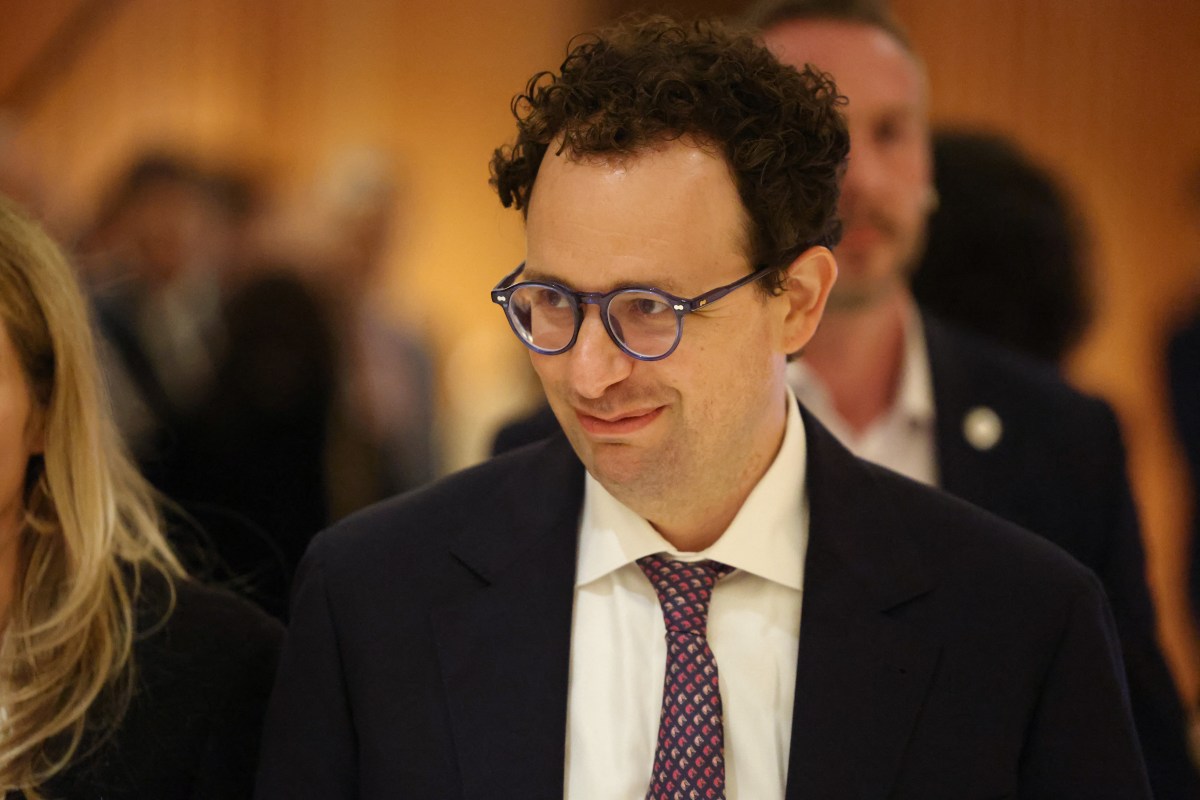
Anthropic CEO Dario Amodei meets President Trump for the first time as AI safety debates, Pentagon supply-chain tensions, and Washington politics collide.
A Landmark Meeting at the Intersection of AI and Politics
Anthropic CEO Dario Amodei has had a busy weekend in the public eye. The executive was lampooned on the season premiere of Saturday Night Live, and by Sunday evening, he was reportedly set to sit down for dinner with President Donald Trump at the White House. Axios first reported the dinner plans, which TechCrunch later confirmed through a source familiar with the CEO's schedule.
The meeting marks the first one-on-one encounter between the two men, and it arrives at a moment when the artificial intelligence industry finds itself navigating an increasingly volatile policy landscape in Washington. For a company like Anthropic, which has staked its public identity on responsible scaling and safety research, a direct line to the Oval Office carries outsized symbolic weight.
Two Very Different Views on AI Risk
The dinner is notable precisely because Amodei and Trump have recently landed on opposite sides of the AI safety debate. Amodei has publicly released a plan arguing for a more cautious approach to development, essentially calling for the industry to slow down or at least proceed with far greater deliberation when deploying frontier models. That posture sits in sharp contrast with the administration's messaging.
Trump has insisted, without offering evidence, that the broader backlash against AI is a Democratic hoax. He has also pushed to rebrand the technology under the banner of "super intelligence," a framing that leans optimistic and forward-looking rather than precautionary. The gap between these two worldviews is not merely rhetorical. It shapes how regulators, defense agencies, and enterprise buyers think about risk, liability, and procurement.
A Fraught History With the Administration
The relationship between Anthropic and the Trump administration has been complicated well before this weekend. Earlier this year, the Pentagon designated Anthropic a supply-chain risk, a designation that came in response to the company's attempts to place guardrails around how its technology is used. Anthropic has been fighting that designation in court, a move that signals just how seriously the company views the reputational and commercial stakes.
At the same time, the picture inside the administration is not monolithic. Other officials have taken a friendlier stance toward the company, creating a patchwork of allies and skeptics that Anthropic must now manage simultaneously. That dynamic is common in fast-moving technology policy, where agencies can pull in different directions depending on their mandate and leadership.
For frontier AI labs, the line between regulator, customer, and adversary is increasingly blurred, and a single dinner can shift the balance.
Why This Dinner Matters for the Broader AI Industry
Anthropic sits among a small group of companies building at the frontier of large language models, alongside rivals such as OpenAI and Google DeepMind. Those firms are simultaneously competing on benchmarks and capability, and jockeying for influence over the rules that will govern their deployment. A White House audience is therefore not just a courtesy; it is a strategic asset.
- Policy signal: A direct conversation could soften or harden the administration's stance on safety-oriented commitments like usage guardrails and staged release schedules.
- Procurement stakes: Defense and government contracts represent a growing revenue channel for capable AI vendors, making supply-chain designations especially costly.
- Public perception: With AI safety drawing mainstream cultural attention, including late-night comedy, optics matter as much as policy detail.
The Road Ahead
It remains unclear what concrete outcomes, if any, will emerge from the dinner. No agenda was publicly disclosed, and neither party has signaled what topics will dominate the conversation. What is clear is that the meeting represents a rare direct channel between a safety-focused lab and an administration that has often framed AI optimism as a political identity.
For engineers, founders, and investors watching the sector, the takeaway is straightforward: the technical roadmap of frontier AI is now inseparable from the political one. Decisions about guardrails, evaluation, and deployment timelines are no longer purely engineering questions. They are negotiated in rooms that include policymakers, judges, and defense officials.
Whether Amodei walks away from the White House with a warmer relationship or simply a clearer read on the administration's intentions, the dinner is a signal that AI governance has moved from think pieces into the highest levels of government.